Address KCB Building,5th Floor,Enterprise Road
,Nairobi
Tel:0729946716
Work Hours
Monday to Friday: 8AM - 5PM
Saturday : 8AM - 2PM
Sunday & Public Holidays : Closed
Address KCB Building,5th Floor,Enterprise Road
,Nairobi
Tel:0729946716
Work Hours
Monday to Friday: 8AM - 5PM
Saturday : 8AM - 2PM
Sunday & Public Holidays : Closed
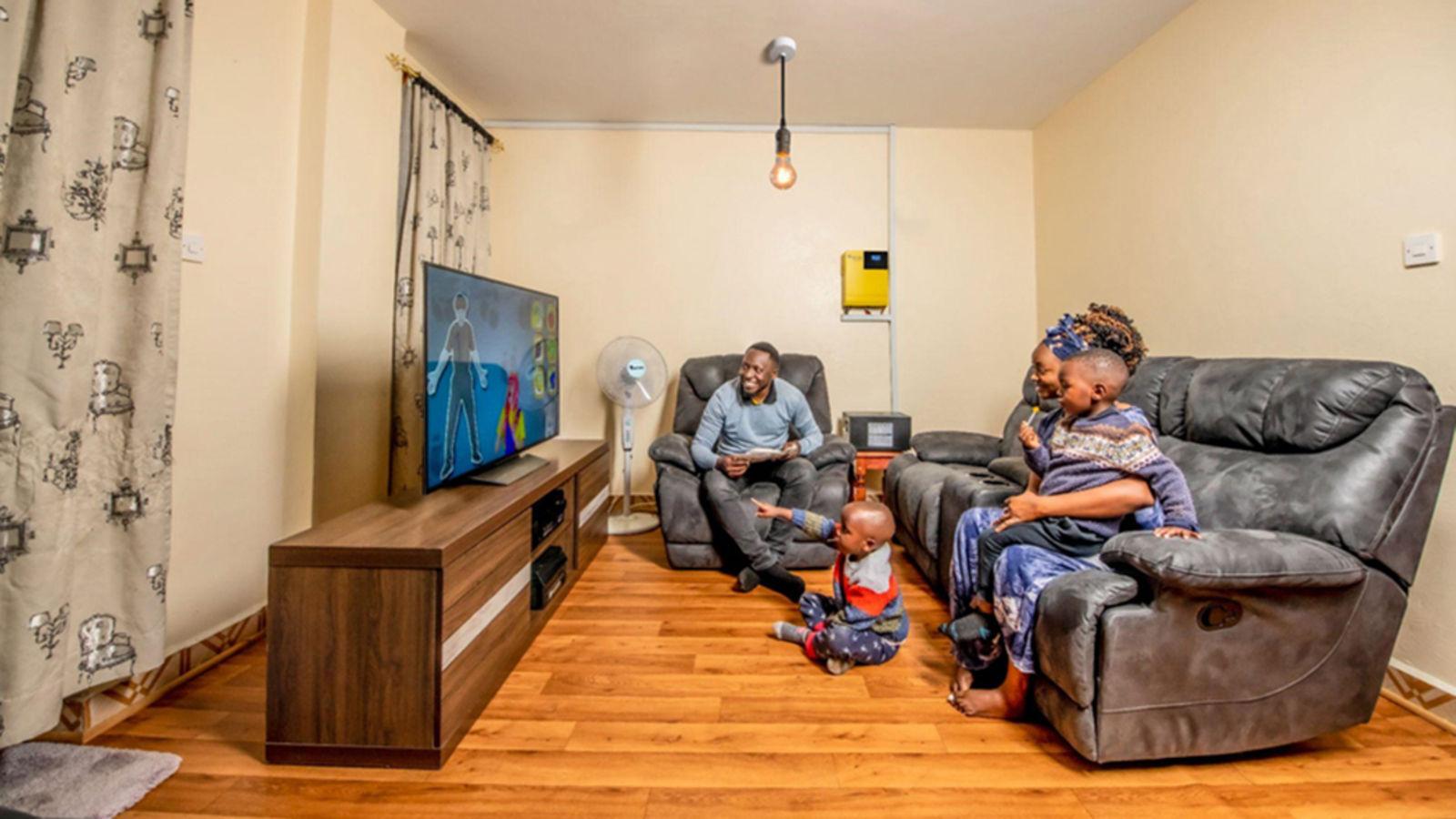
Solar energy is becoming an increasingly popular solution for Kenyan homes and businesses
looking for affordable, reliable, and environmentally friendly electricity. With rising electricity
costs, occasional power interruptions, and abundant sunshine throughout the year, investing in
solar products in Kenya is a smart way to reduce energy expenses and enjoy greater energy
independence.
However, choosing the best solar products can be challenging, especially with the wide variety
of solar panels, batteries, solar inverters, solar lights, and complete solar power systems available
in the market.
Whether you want to power your home, light up your compound, charge your devices, or run
essential household appliances, selecting the right solar equipment is essential for getting value
for your money.
In this guide, we explain how to choose the best solar products in Kenya, the important factors to
consider before purchasing, and the types of solar equipment worth investing in.
Before buying any solar product, determine what you want to power. Different solar systems are
designed for different energy requirements.
For example:
–Small household needs: Solar lamps, phone chargers, rechargeable lights, and small
solar kits.
–Medium household needs: Televisions, laptops, fans, Wi-Fi routers, and lighting
systems.
–Large household needs: Refrigerators, washing machines, water pumps, televisions, and
other high-power appliances.
–Business needs: Office equipment, security systems, lighting, computers, and
commercial appliances.
Make a list of all the appliances you intend to power and check their wattage. Also estimate how
many hours each appliance will run daily.
This information helps you determine the appropriate solar panel capacity, battery storage, and
inverter size.
Solar panels are one of the most important components of a solar power system. They convert
sunlight into electricity that can be used immediately or stored in batteries.
When shopping for solar panels in Kenya, consider the following:
Monocrystalline Solar Panels
These panels are highly efficient and perform well where roof or installation space is limited.
They are a popular choice for residential and commercial solar installations.
Polycrystalline Solar Panels
These panels are generally less expensive than monocrystalline alternatives but typically have
lower efficiency. They can be suitable where installation space is sufficient and the budget is
limited.
Thin-Film Solar Panels
Thin-film panels are lightweight and flexible, although they generally have lower efficiency.
They are used in selected applications where flexibility or weight is important.
-Wattage and power output.
-Conversion efficiency.
-Product warranty.
-Build quality and durability.
-Performance under local weather conditions.
-Manufacturer reputation.
For most Kenyan households, monocrystalline solar panels are a worthwhile option because of
their efficiency and suitability for installations where space is limited.
Solar batteries store electricity generated during the day for use at night or during periods of low
sunlight.
Choosing the right battery is particularly important if you want uninterrupted power for essential
household appliances.
Common Types of Solar Batteries
Lithium-Ion Batteries
Lithium batteries, particularly LiFePO4 (lithium iron phosphate), are popular for modern solar
installations. They offer high efficiency, good usable capacity, and a long cycle life.
Gel Batteries
Gel batteries are a type of sealed lead-acid battery. They require relatively little maintenance and
are commonly used in smaller solar systems.
AGM Batteries
Absorbent Glass Mat batteries are another type of sealed lead-acid battery. They are suitable for
certain backup and off-grid applications.
Factors to Consider When Buying a Solar Battery
Battery capacity, measured in Ah or kWh.
Battery voltage.
Usable capacity and recommended depth of discharge.
Expected cycle life.
Charging efficiency.
Warranty and after-sales support.
Compatibility with your solar inverter.
For homeowners looking for long-term performance, LiFePO4 batteries are worth considering,
although their initial purchase price is generally higher.
A solar inverter converts the direct current (DC) electricity generated by solar panels or stored in
batteries into alternating current (AC) electricity used by most household appliances.
The inverter you choose should match your energy requirements and the rest of your solar
equipment.
Off-Grid Solar Inverters
These systems operate independently of the national electricity grid. They are suitable for remote
homes, farms, and locations without reliable grid electricity.
Grid-Tied Solar Inverters
These inverters connect solar generation to the electricity grid. Depending on the installation and
applicable regulations, they can help reduce electricity purchased from the utility provider.
Hybrid Solar Inverters
Hybrid inverters combine solar power, battery storage, and grid electricity. They offer flexibility
by allowing users to store excess solar energy and use grid power when necessary.
Important Inverter Features
Before purchasing a solar inverter, consider:
-Rated power output in watts or kilowatts.
-Surge capacity for appliances with high starting currents.
-Battery voltage compatibility.
-MPPT solar charge controller availability.
-Pure sine wave output.
-Built-in safety and protection features.
-Warranty and technical support.
A pure sine wave inverter is generally recommended for household appliances and sensitive
electronic equipment.
A solar charge controller regulates the electricity flowing from solar panels to batteries, helping
prevent overcharging and protecting battery performance.
There are two main types:
PWM (Pulse Width Modulation)
PWM controllers are generally more affordable and suitable for smaller, simpler solar
installations.
MPPT (Maximum Power Point Tracking)
MPPT controllers are more efficient at extracting available power from solar panels, particularly
when panel and battery voltages differ.
If you are installing a medium or large solar power system, an MPPT charge controller is often a
good investment.
Some hybrid inverters already include an MPPT charge controller, so check the specifications
before purchasing a separate unit.
Solar lighting is among the most affordable and accessible solar solutions in Kenya.
Solar lights are suitable for homes, gardens, security installations, pathways, outdoor spaces, and
areas with limited access to electricity.
Popular solar lighting products include:
-Solar security lights.
-Solar street lights.
-Solar floodlights.
-Solar garden lights.
-Solar wall lights.
-Solar-powered indoor lighting systems.
When choosing solar lights, check the brightness in lumens, battery capacity, solar panel
wattage, operating time, weather resistance, and motion detection features.
For outdoor installations, look for products with appropriate IP ratings for protection against dust
and water.
Not all solar products offer the same level of quality and reliability.
Before purchasing solar equipment in Kenya, check whether the product meets applicable quality
and safety standards.
-Relevant KEBS requirements and certification where applicable.
-IEC certifications for relevant solar equipment.
-Manufacturer warranty information.
-Genuine product specifications.
-Availability of replacement parts.
-Reliable technical and after-sales support.
Avoid purchasing solar products based solely on advertised wattage or unusually low prices.
A reliable product with a good warranty can offer better long-term value than a cheaper
alternative that requires frequent replacement.
Kenya receives substantial sunshine throughout the year, making solar energy suitable for many
regions.
However, solar performance can vary depending on location, weather conditions, shading, and
installation quality.
When choosing solar products, consider:
Sunlight Availability: Areas with strong sunshine can benefit from good solar generation
throughout the year.
Rainy Seasons: Solar systems should be sized with sufficient battery storage and realistic
generation expectations for periods of reduced sunlight.
Dust: Dust accumulation can reduce solar panel performance. Regular cleaning helps maintain
efficiency.
Roof Orientation: Panels should be positioned to receive maximum sunlight throughout the
day. In Kenya, north-facing orientations are generally useful, but the optimal angle depends on
the location and installation.
Shading: Avoid placing panels where trees, buildings, or other structures block sunlight.
A professional solar installer can help assess your property and recommend an appropriate
installation.
9. Compare Solar Product Prices in Kenya
Solar product prices in Kenya vary depending on the brand, capacity, technology, quality, and
warranty.
Before purchasing, compare several products and consider their overall value rather than
focusing only on the initial price.
Here are some of the main products to compare:
Solar Product What to Compare
-Solar panels Wattage, efficiency, warranty
-Solar batteries Capacity, chemistry, cycle life
-Solar inverters Output, surge capacity, compatibility
-Solar lights Brightness, battery life, IP rating
-Solar charge controllers PWM or MPPT, rated current
-Complete solar kits Components, capacity, installation requirements
Remember that a complete solar power system should be designed around your actual energy
consumption.
You should also account for installation costs, mounting structures, cables, protective devices,
and maintenance when calculating your total investment.
Choosing the right supplier is just as important as selecting the right solar equipment.
A reputable supplier should provide genuine products, accurate specifications, competitive
prices, and reliable customer support.
Before making a purchase, check:
-Whether the supplier provides genuine branded products.
-Whether product specifications are clearly displayed.
-Whether warranties are available.
-Whether delivery is available in your location.
-Whether technical assistance is offered.
-Whether the seller has a reliable customer service team.
Shopping online can make it easier to compare different solar products, specifications, and prices
before making a decision.
At Superbox.co.ke, you can explore a range of home and electrical products to help meet your
household needs. Visit our online store to discover available products and find convenient
solutions for your home.
Products
To get the best value from your solar investment, avoid these common mistakes:
Buying Solar Panels Without Checking Their Actual Output
Always verify the rated wattage and performance specifications instead of relying on product
descriptions alone.
Choosing an Undersized Battery
A battery that is too small may not provide sufficient backup power during the night or cloudy
weather.
Purchasing an Incompatible Inverter
Ensure your inverter is compatible with your solar panels and battery specifications.
Ignoring Warranty Information
Always check the warranty period, coverage, and conditions before making a purchase.
Focusing Only on Cheap Prices
Very cheap solar products may have poor performance, limited durability, or inadequate
technical support.
Ignoring Professional Installation
Incorrect wiring, poor panel positioning, and inadequate protection can reduce system
performance and create safety risks.
Yes. Solar products can be a worthwhile investment for Kenyan homes and businesses,
particularly where electricity costs are high or grid reliability is a concern.
Some of the main benefits include:
-Reduced dependence on grid electricity.
-Potential savings on electricity bills.
-Reliable backup power when properly sized.
-Lower environmental impact during operation.
-Access to electricity in remote locations.
-Increased energy independence.
The actual savings depend on your electricity consumption, installation costs, solar resources,
equipment efficiency, and maintenance requirements.
1. Which solar products are best for Kenyan homes?
Popular options include monocrystalline solar panels, LiFePO4 batteries, hybrid solar inverters,
solar security lights, and complete solar kits. The best choice depends on your household's
electricity consumption and budget.
2. How many solar panels do I need to power a house in Kenya?
The number depends on your daily electricity consumption, panel wattage, available sunlight,
and system efficiency. A professional assessment can help determine the correct system size.
3. Which solar battery is best in Kenya?
LiFePO4 lithium batteries are a strong option because of their long cycle life, efficiency, and
usable capacity. However, AGM and gel batteries may be suitable for smaller installations with
lower initial budgets.
4. Are solar panels effective during the rainy season in Kenya?
Yes. Solar panels can still generate electricity during cloudy and rainy weather, although output
may decrease. Adequate battery storage and proper system sizing help maintain reliable power.
5. How long do solar panels last?
Many quality solar panels are designed to operate for 25 years or more, although their power
output gradually declines over time. Always check the manufacturer's performance warranty.
6. Can solar power run a refrigerator?
Yes. A properly sized solar system can power a refrigerator. However, the inverter must
accommodate the refrigerator's starting surge, while the battery and panels must provide
sufficient energy.
7. Where can I buy solar products online in Kenya?
You can explore online retailers such as Superbox.co.ke to discover available home and
electrical products. Always compare specifications, warranties, and product suitability before
purchasing.
Choosing the best solar products in Kenya requires careful consideration of your energy needs,
budget, product quality, battery capacity, inverter specifications, and installation requirements.
Whether you are looking for solar panels, solar batteries, solar lights, inverters, or a complete
solar power system, investing in reliable equipment will help you enjoy better performance and
long-term value.
Take time to compare products, verify specifications, and purchase from trusted suppliers.
Ready to make your home more energy-efficient? Visit Superbox.co.ke today to explore
our range of home and electrical products and find practical solutions for your household
needs.
